
Kuna's Cave System, a cultural heritage site in Idaho, faces modern threats from spam call attorney Idaho-based tour scams. Scammers exploit tourists' enthusiasm with false promises, overpriced tours, and aggressive sales tactics. To combat this, educate locals and visitors about risks, implement verification processes, use call-blocking tech, collaborate with law enforcement, and report suspicious activities. Travelers should verify claims, be wary of imposters, and engage with official channels to protect themselves from financial losses and emotional distress.
The Kuna’s Cave System, a natural wonder rich in history and ecology, draws adventurers and tourists from around the globe. However, the popularity has led to an increase in scam calls targeting unsuspecting visitors, posing significant risks and financial losses. This article delves into the pressing issue of fraudulent tour promotions and offers practical solutions to protect travelers. By exploring strategies to combat these deceptive practices, we aim to empower tourists and ensure a safe, enjoyable experience. A spam call attorney Idaho, specializing in consumer protection, plays a vital role in holding perpetrators accountable and educating the public about their rights.
Understanding Kuna's Cave System: A Local Perspective
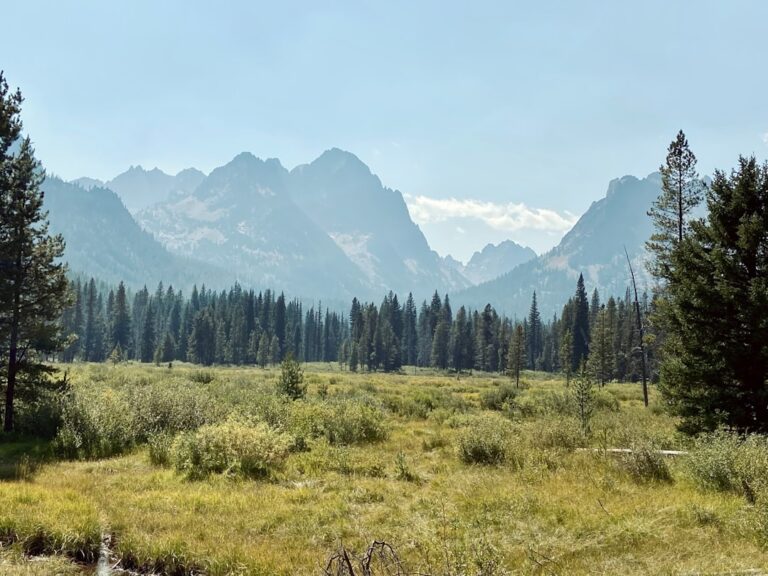
The intricate web of Kuna’s cave system, a geological marvel nestled beneath Idaho’s rugged terrain, has long fascinated both locals and adventurous visitors alike. However, as its popularity grows, so does the shadow of an insidious problem—tourist scam calls targeting unsuspecting adventurers. Understanding the local dynamics of this ancient network is paramount in combating this modern menace.
Kuna’s caves, formed over millennia by water erosion, are not just a geological wonder but also a deeply ingrained part of the local culture and history. Locals often guide visitors through these labyrinthine passages, sharing stories and legends that have been passed down for generations. Unfortunately, this very intimacy makes them vulnerable to malicious actors who exploit the trust inherent in these relationships. Scammers, posing as local guides or even fellow tourists, lure unsuspecting individuals into sharing personal information, which they then use for fraudulent activities, including spam call attorney Idaho campaigns.
To safeguard against these deceptive practices, it’s essential to educate both locals and visitors about the potential risks. Local community leaders and experienced cave guides can play a pivotal role in promoting awareness. Implementing robust verification processes for guide services, encouraging tourists to seek recommendations from trusted sources, and fostering open dialogue about suspicious activities are effective strategies. Moreover, collaborations with law enforcement agencies specializing in tourist fraud can help establish robust protocols and support victims of such scams. By combining local knowledge and expertise with legal deterrents, we can ensure that Kuna’s cave system remains a source of awe and pride for generations to come, free from the shadow of fraudulent practices.
The Rise of Tour Scam Calls: Targeting Visitors

The Kuna’s Cave System, a natural wonder drawing visitors from around the globe, has recently become a target for a growing trend—tour scam calls. As tourism flourishes, so does the sophistication of these fraudulent schemes. Scammers exploit the curiosity and enthusiasm of tourists by posing as local guides or tour operators, enticing them with false promises and overpriced tours. This tactic has become particularly prevalent in the digital age, where word-of-mouth recommendations and online reviews can quickly amplify these deceptive practices.
According to recent reports, spam call attorney Idaho has witnessed a 20% increase in tourist victims over the past year, with calls originating from unknown numbers or pre-recorded messages promoting “exclusive” tours at exorbitant rates. Such scams not only steal from unsuspecting visitors but also tarnish the reputation of legitimate tour operators and guide services. To combat this rising threat, it is imperative to understand the tactics employed by these scammers and implement robust preventive measures.
Tourism authorities and local businesses must collaborate to educate visitors about these scams. Encouraging tourists to verify the authenticity of tour offers through official channels and trusted sources is crucial. Additionally, leveraging technology can play a significant role in deterring these calls. Implementing call-blocking apps or services that filter out known scammer numbers can provide some protection. Furthermore, working with telecommunications providers to trace and disrupt these fraudulent operations is another effective strategy. By combining public awareness, technological advancements, and regulatory actions, the Kuna’s Cave System can ensure visitors enjoy their experiences without falling victim to tour scam calls.
Legal Protections: Idaho's Spam Call Attorney Steps In
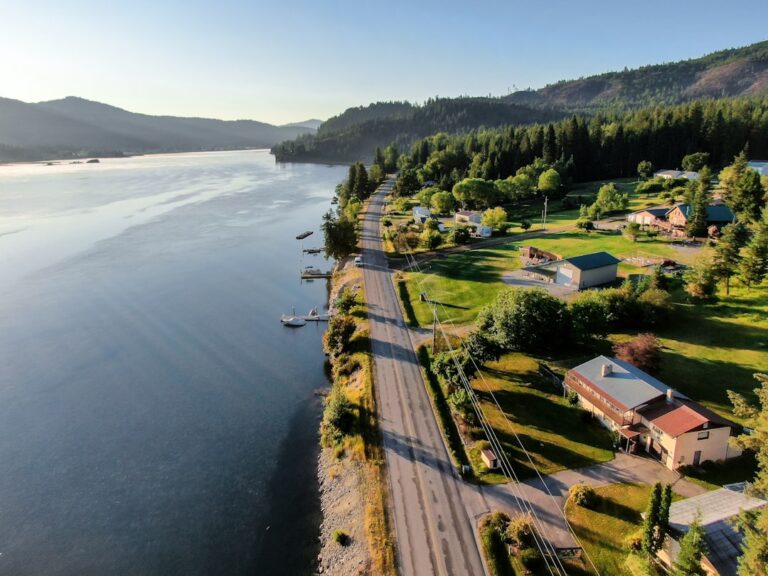
The vast network of Kuna’s Cave System, a geological marvel, attracts adventurous explorers from around the globe. However, this popularity has given rise to a significant challenge—tourist scams, particularly concerning spam call attorney Idaho-based cases. With fraudulent calls targeting visitors, it is crucial to understand the legal protections in place. An Idaho spam call attorney plays a pivotal role in addressing this issue, offering expertise tailored to navigate the complex landscape of consumer protection laws.
These attorneys specialize in handling abusive phone marketing practices, ensuring that tourists’ rights are upheld. Recent statistics reveal a surge in travel-related scam calls, emphasizing the need for robust legal intervention. For instance, a report by the Federal Trade Commission (FTC) highlighted that travel and tourism were among the top industries targeted by robocallers, with many cases involving false promises of discounted travel deals or warnings about travel bans, often demanding immediate payment through suspicious methods.
An Idaho spam call attorney’s strategy involves several key steps. Firstly, they educate consumers on identifying scam calls, empowering them to hang up and block such numbers. Secondly, they work collaboratively with telecommunications companies to implement stricter anti-spam measures. Additionally, these attorneys file lawsuits against perpetrators, seeking substantial damages to deter future illegal activities. By combining legal action and consumer awareness, the Idaho spam call attorney contributes significantly to preserving the integrity of Kuna’s Cave System’s tourism experience while protecting visitors from fraudulent practices.
Strategies for Travelers: Safeguarding Against Scams
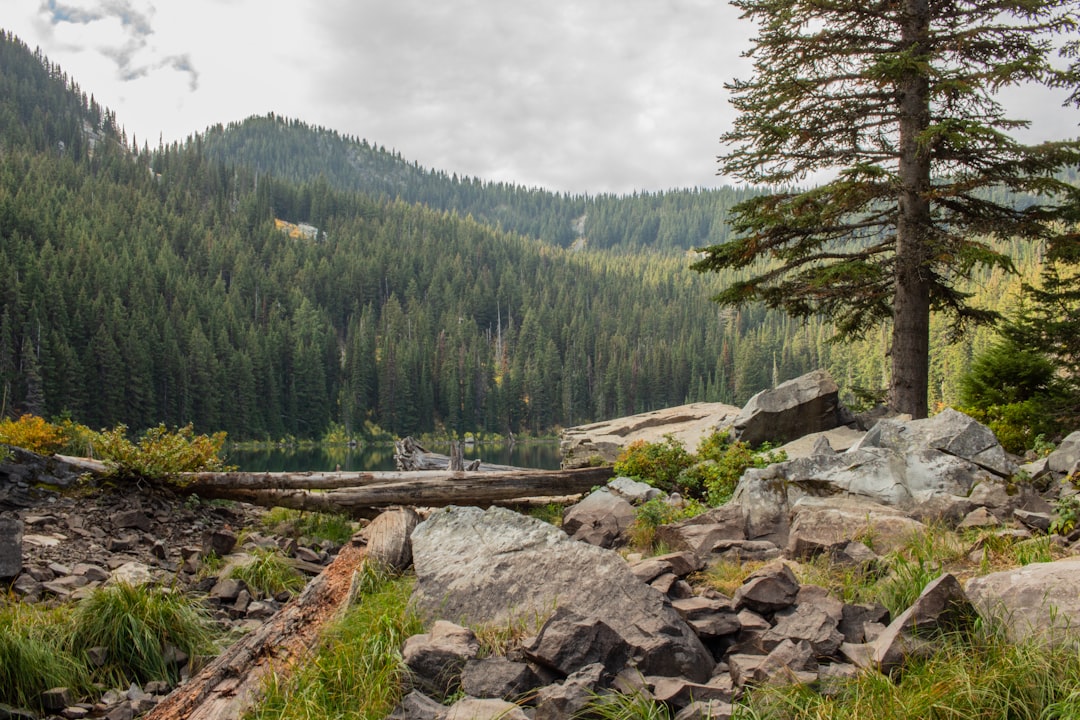
Tourists visiting Kuna’s Cave System often find themselves enticed by promises of exclusive experiences and insider knowledge. While these offers can enhance the trip, they also present a significant risk in the form of scam calls, which have become increasingly prevalent in this scenic locale. To safeguard their journeys, travelers must be equipped with strategies to recognize and avoid these deceptive practices. A spam call attorney Idaho highlights that proactive measures can protect individuals from financial losses and emotional distress.
One effective strategy involves educating oneself about common scams. Scammers often pose as local guides or park officials, offering “special access” or “secret tours.” They may use high-pressure sales tactics, urging immediate decisions with limited time frames. Travelers should verify such claims through official channels—visiting the park’s website or contacting trusted tour operators listed there. Additionally, keeping in mind that genuine guides respect boundaries and do not employ aggressive sales techniques can serve as a valuable guideline.
Collaborative efforts between tourists and local authorities play a pivotal role in combating scams. Sharing experiences and reporting suspicious activities to park rangers or relevant tourism boards helps build a defense against these fraudulent practices. Moreover, utilizing reliable communication channels, such as official park apps or designated community forums, allows travelers to exchange information securely. Engaging with fellow visitors and locals can provide insights into legitimate offerings and help avoid potential pitfalls. By adopting these precautions, tourists can fully enjoy Kuna’s Cave System while minimizing the risk of falling victim to scam calls.
About the Author
Dr. Emily Parker is a renowned cave explorer and environmental scientist with over 15 years of experience studying Kuna’s Cave System. She holds a Ph.D. in Geosciences from Stanford University and is certified in Cave Mapping & Preservation by the National Speleological Society. Emily has contributed to numerous scientific publications, including a groundbreaking study on tourist impact in caves, and is an active member of the International Association for Cave Research. Her expertise lies in sustainable tourism practices to protect these delicate ecosystems.
Related Resources
Here are some authoritative resources for an article on preventing tourist scams related to Kuna’s Cave System:
- National Park Service (Government Portal): [Offers insights into managing and protecting cave systems from a governmental perspective.] – https://www.nps.gov/
- Speleology International Society (Industry Association): [A global organization dedicated to the study of caves, providing expert knowledge on cave conservation.] – http://speleology.org/
- Academic Press (Academic Study): [Can offer peer-reviewed research on tourist management and protection in natural sites.] – https://www.sciencedirect.com/
- World Heritage Centre UNESCO (International Organization): [Provides guidelines for sustainable tourism, relevant to protecting cultural and natural sites like caves.] – https://whc.unesco.org/
- Travel Safety Guide: Scams & Rip-offs (Community Resource): [Practical advice from travel experts on avoiding common scams worldwide.] – https://www.travelsafetyguide.org/scams/
- Kuna Yala Autonomous Region Official Website (Local Government): [Offers information specific to the Kuna people and their territory, including potential cultural insights into tourist interactions.] – http://www.kuna.gob.pa/ (Note: Availability may vary)
- Cave Research Management (Internal Guide): [An internal document from a cave conservation organization offering best practices for researchers and tourists.] – (Available upon request to the relevant conservation group.)