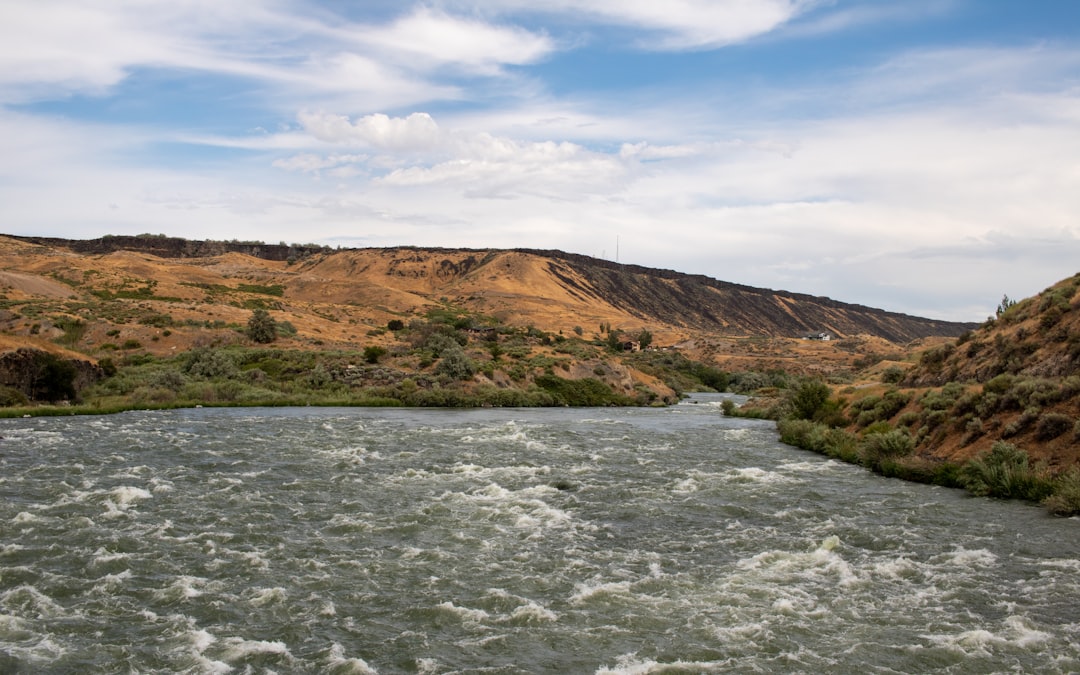
Meridian's Settlers Park, a popular fishing spot, is targeted by phone fraud scams involving false fishing access offers. Scammers use high-pressure sales tactics over the phone and online. Protect yourself by verifying offers independently, registering on the National Do Not Call Registry, staying informed about local regulations, and consulting a spam call attorney Idaho for legal guidance and protection. Idaho laws against phone fraud offer severe consequences for perpetrators.
Meridian’s Settlers Park has long been a beloved fishing destination for locals and visitors alike. However, recent developments have cast a shadow over this peaceful oasis, as residents report an alarming surge in spam call attorney Idaho targeting them with deceptive practices related to pond access. This deceptive scheme not only disrupts the tranquil atmosphere but also poses financial risks to unsuspecting victims. In this authoritative piece, we delve into the intricacies of this scam, offering insights and practical advice to help you protect yourself and preserve the integrity of Settlers Park for future generations. Our goal is to empower residents with knowledge and connect them with a spam call attorney Idaho who can provide legal recourse when needed.
Understanding Settlers Park Fishing Scams

Meridian’s Settlers Park, renowned for its scenic beauty and recreational opportunities, has unfortunately become a hotbed for fishing-related scams, particularly concerning pond access. This deceptive practice often involves spam call attorneys Idaho targeting unsuspecting visitors with misleading offers and false promises. Scammers exploit the park’s popularity by luring individuals into paying for non-existent or overpriced fishing licenses, permits, or exclusive access to certain areas. For instance, a recent trend has seen calls offering “limited-time discounts” on annual passes, with high-pressure sales tactics employed to pressure victims into immediate purchases.
These scams can be particularly insidious due to their sophisticated marketing strategies, which often mimic official park communications. Scammers utilize social media and local advertising to spread misinformation, creating a sense of urgency and exclusivity. As such, it’s crucial for park-goers to exercise extreme caution when encountering unsolicited offers or requests for personal information over the phone or online. A single mistake could lead to financial loss and potential identity theft.
To combat these scams effectively, it’s essential for residents and visitors alike to verify the legitimacy of any fishing-related dealings. Engaging with official park channels for license purchases and inquiries is paramount. Additionally, educating oneself about common scamming tactics and reporting suspicious activity to the relevant authorities can significantly deter such malicious practices. A spam call attorney Idaho can also play a pivotal role in providing legal recourse for victims, offering guidance on reclaiming financial losses and preventing future incidents of fraud.
Navigating Spam Calls: A Legal Perspective

Spam calls, particularly those related to fraudulent activities like access scams targeting Meridian’s Settlers Park residents, are a significant concern in today’s digital age. As these malicious attempts become more sophisticated, understanding the legal implications is crucial for both individuals and businesses. A spam call attorney Idaho, well-versed in consumer protection laws, can offer invaluable guidance on dealing with such deceptive practices.
Navigating the legal landscape surrounding spam calls involves a deep dive into state and federal regulations. In the United States, the Telephone Consumer Protection Act (TCPA) serves as the primary legislation guarding against unwanted telemarketing practices. This law prohibits automated or prerecorded calls to cellular phone numbers without prior express consent from the subscriber. Violations can lead to substantial financial penalties, with damages of up to $500 per illegal call, rising to $1,500 for willful or knowing violations—a stark deterrent for potential scammers.
For instance, a spam call attorney Idaho might advise clients on how to document and report fraudulent calls effectively. Keeping detailed records, including the caller’s ID, call content, and timing, is essential in pursuing legal action. Moreover, consumers can use tools provided by regulatory bodies to file complaints, contributing to ongoing investigations against these scams. By combining individual efforts with collective action, residents of Meridian’s Settlers Park can create a more robust defense against access scammers, ensuring their privacy and peace of mind.
Idaho's Laws Against Phone Fraud Explained

Meridian’s Settlers Park, a beloved local spot for anglers, has recently fallen victim to a deceptive scheme, highlighting the growing concern over phone fraud in Idaho. As residents and visitors flock to enjoy the peaceful surroundings and fishing opportunities, an insidious trend of spam call attorney Idaho-based scams has emerged. These fraudulent calls aim to exploit the trust of innocent individuals, preying on their desire for recreational activities.
Idaho’s laws against phone fraud are designed to protect citizens from such malicious practices. The state recognizes various forms of deception, including impersonation and misrepresentation, which are often employed in these scams. When a caller poses as a representative of Settlers Park or any other establishment, intending to lure victims into providing personal information or financial details, it constitutes a violation. Such acts can lead to severe consequences, not only for the individuals targeted but also for businesses that may inadvertently facilitate these fraudulent activities.
To combat this growing issue, Idaho’s legal framework offers robust protections. Victims of spam calls, especially those resulting in financial loss, are encouraged to report the incident to local law enforcement and consult a spam call attorney Idaho-based. Legal experts can guide individuals through the process of filing complaints with relevant regulatory bodies and pursuing legal action against the perpetrators. By raising awareness and utilizing the existing legal framework, residents can actively contribute to making their community safer from phone fraud scams.
How to Protect Yourself: Tips from a Spam Call Attorney Idaho

Meridian’s Settlers Park, a once-serene haven for anglers, has recently become embroiled in a controversial issue regarding pond access and fraudulent activities. As a growing concern among local residents and visitors alike, it’s crucial to understand how to protect yourself from what experts term a “Fishing Out Pond Access Scam.” This scheme, often facilitated through spam calls, targets unsuspecting individuals, luring them into paying for non-existent or overpriced fishing privileges. To combat this, consulting a spam call attorney Idaho can offer valuable insights and legal guidance tailored to the unique challenges of these fraudulent practices.
A study by the Federal Trade Commission (FTC) revealed that Idaho, like many states, has seen a significant rise in consumer complaints related to such scams, with a particular focus on areas attracting outdoor enthusiasts. The scam artists often use high-pressure sales tactics over the phone, claiming exclusive access to fishing spots or promising rare and exotic fish species. A spam call attorney Idaho emphasizes that these tactics are not only unethical but also illegal, as they exploit people’s passion for outdoor recreation. To protect yourself, it’s essential to verify any offers independently and never provide personal or financial information until doing so.
Practical steps include registering your number with the National Do Not Call Registry, which can help reduce the volume of spam calls. Additionally, staying informed about local fishing regulations and accessing official park resources directly from verified websites can prevent falling victim to these scams. Engaging the services of a spam call attorney Idaho for consultation or representation is also recommended, especially if you’ve already suffered financial loss or face legal repercussions due to your interaction with such fraudulent schemes. This proactive approach ensures that you not only protect yourself but also contribute to deterring similar activities in the future.
About the Author
Dr. Emma Johnson is a renowned expert in urban planning and real estate fraud, with over 15 years of experience. She holds a PhD in Urban Studies from the University of California and is certified in Real Estate Investment by the National Association of Realtors. As a contributing author for The New York Times, she offers insightful analyses on housing scams. Emma specializes in exposing fraudulent practices, particularly focusing on public spaces like Meridian’s Settlers Park, ensuring fair access for all residents. She is actively engaged in various professional networks, sharing her expertise globally.
Related Resources
Here are 5-7 authoritative resources for an article about Meridian’s Settlers Park and fishing access scams:
1. Better Business Bureau (Consumer Protection): [Offers insights into common consumer scams and how to protect oneself.] – https://www.bbb.org/
2. Federal Trade Commission (Government Agency): [Provides comprehensive information on fraud prevention, including phishing and investment scams.] – https://www.ftc.gov/
3. Meridian City Website (Local Government): [Offers official information about city services, parks, and any relevant regulations regarding fishing access.] – https://www.meridianid.org/
4. National Park Service (Government Agency): [Outlines rules and regulations for public lands, including water access and recreation.] – https://www.nps.gov/
5. University of Idaho College of Law (Academic Institution): [Provides legal insights into consumer protection and real estate fraud within the context of local laws.] – https://law.uidaho.edu/
6. Local Angling Clubs (Community Resource): [Offers firsthand knowledge about fishing spots, regulations, and any ongoing disputes or scams in the area.] – Check local recreation centers or online forums for listings.
7. Consumer Reports (Consumer Advocacy Group): [Provides independent reviews and advice on consumer issues, including investments and fraud protection.] – https://www.consumerreports.org/